The Ground
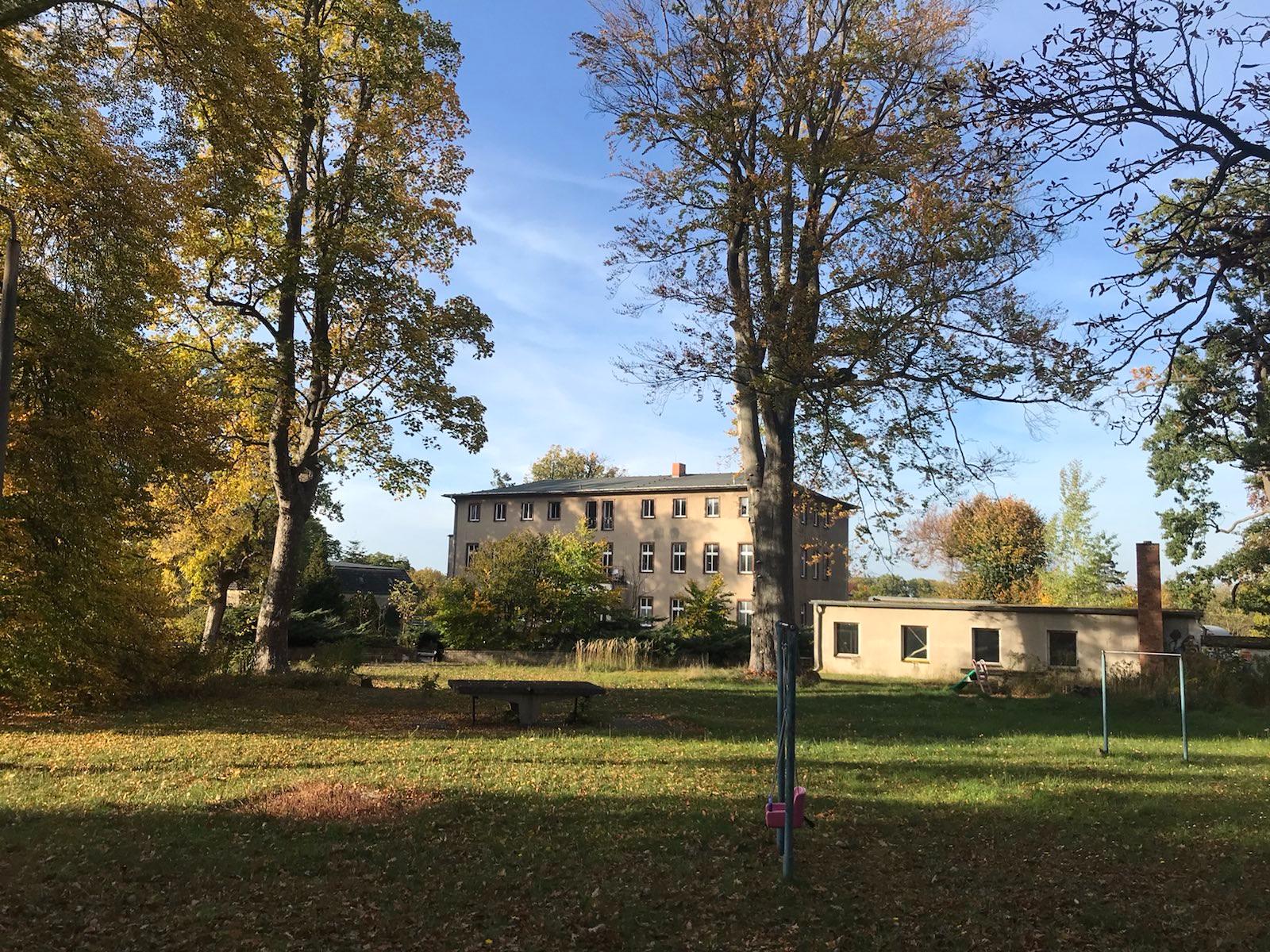
The ground and house are owned by KuBiB e.V. and are home to several connected projects and ways of living and working together.
On the ground floor, celler and part of the first floor is the Arruda anti-discriminatory Seminar House, where we host community events, workshops, retreats, and sometimes larger gatherings.
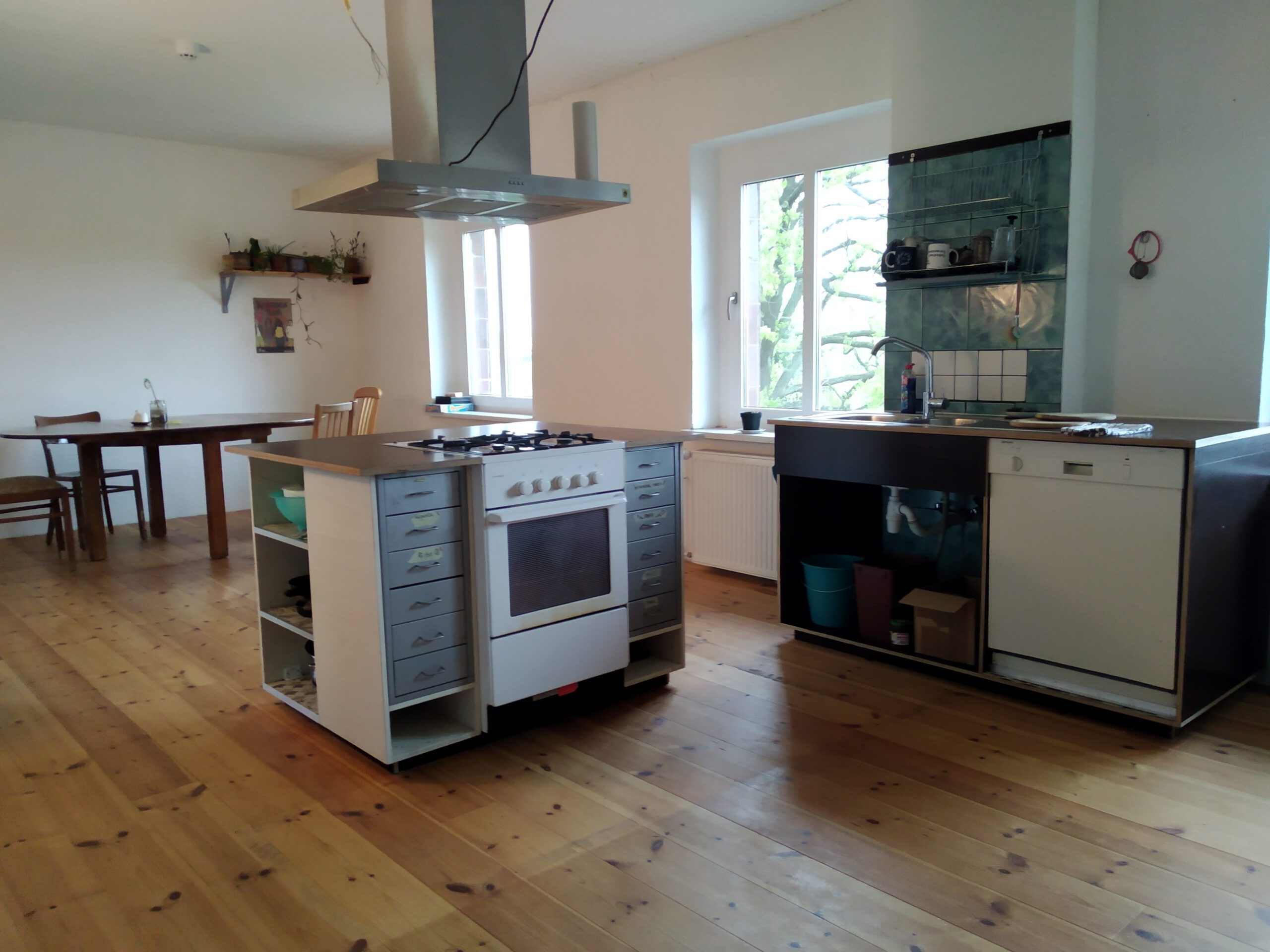
Part of the first floor is our collective space and is used by our support network and friends.
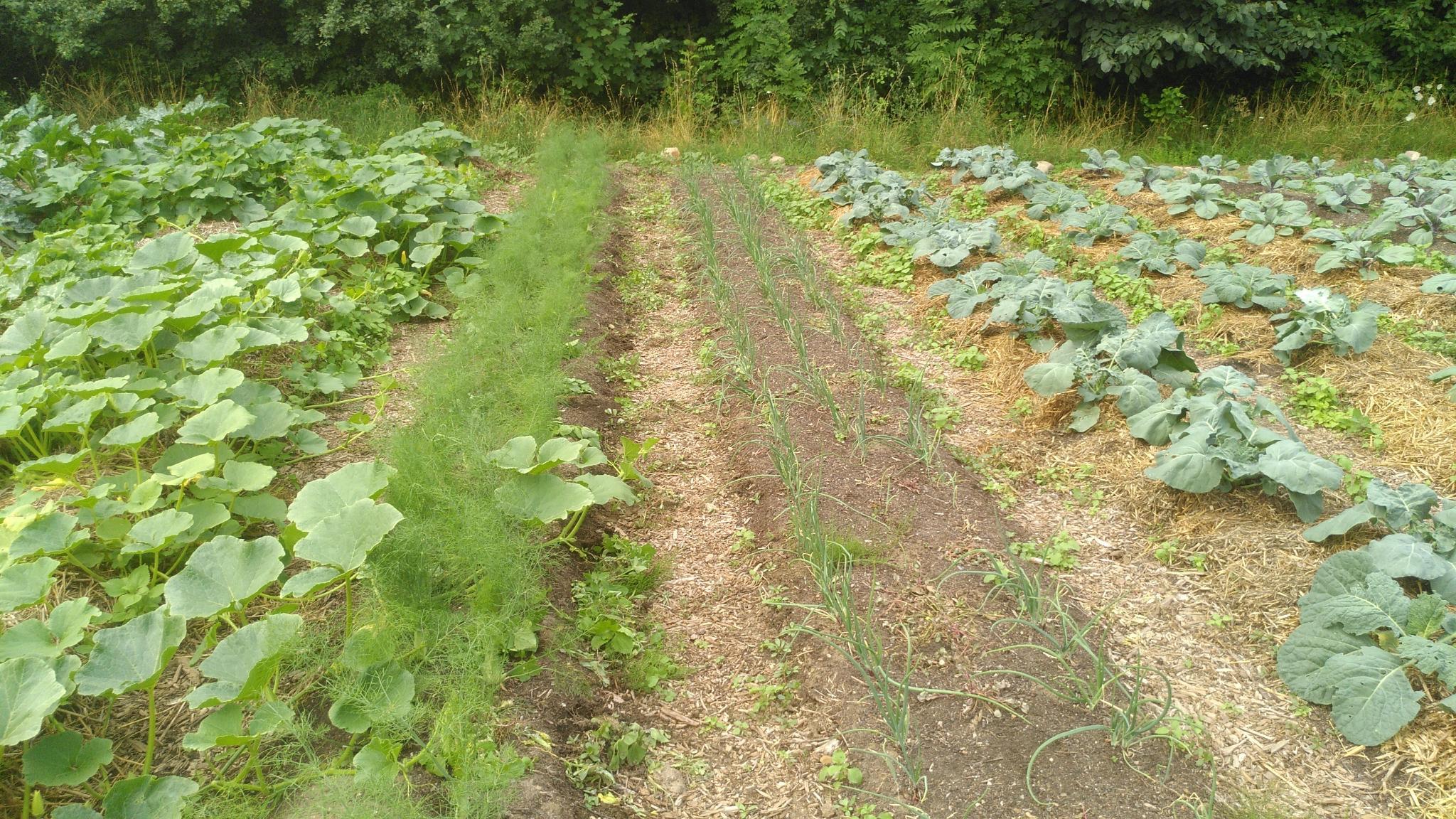
The ground is also home to Rabelades Farm, a Black queer-led Afroecological farming initiative. The farm grows bfood, reclaim land and African agricultural knowledge.
There is a lot of outdoor space around the house, including a garden and areas where people can spend time together or find some quiet. The forest starts right next to the ground, so it is very easy to go to the woods for a walk, a bike ride, or simply some time in nature.

Arruda Collective
Reclaiming the countryside
KuBiB e.V. is run by Arruda Collective and Rabelades Farm, a FLINTA- and queer-led, intersectional, self-organized initiative, working for social, gender, and ecological justice in rural east Germany.
At the heart of our political work is the Arruda Anti-Discriminatory Seminar House – a low-barrier space for groups and communities who are affected by and/or are fighting against discrimination to organize themselves, gather, retreat, network, and hold workshops in a safer and supportive environment.
Alongside running the Anti-Discriminatory Seminar House, we organize events, discussions, and educational activities that bring together anti-racist struggles, queer-feminist struggles, and struggles for environmental justice and sustainability. As well as struggles for environmental justice and sustainability
We are committed to creating a community space that is attentive and aware to different forms of discrimination, including gender oppression, ableism, racism, classism, transphobia, and other forms of oppression. We want to create a space where people can come together, share knowledge and experiences, build connections, and support each other.
Our goal is to empower marginalized communities – FLINTA, BIPoC, migrants, refugees, neurodivergent and people with disabilities by creating sustainable structures for social and ecological justice in rural areas.
We emphasize the importance of access to nature and want to reclaim the countryside as a space for resistance, healing, and collective transformation. Reconnecting with the land is a central part of our approach.
Our broader vision is to reshape rural spaces into places rooted in solidarity. We are building a network that uplifts marginalized voices and creates new possibilities for communal life without the fear of racist violence and other forms of discrimination.
Arruda Collective is a unique anti-discriminatory meeting and community space in rural Brandenburg, filling a long-standing gap in access to empowerment and anti-discrimination resources created by and for the communities themselves.
Our team
We are a team of queer FLINTA people who bring different experiences, backgrounds, and forms of knowledge into the space. Our own experiences of navigating discrimination and marginalization are part of what shapes our political work, our understanding of collective care, and the kind of spaces we want to create.

Rabelades Farm
Land – Memory – Belonging
Rabelades Farm is a Black queer-led agroecological grassroots project in Brandenburg.
Through sustainable farming, we build community and reclaim land as a space of liberation.
We grow organic food for marginalized communities, especially those affected by racism.
Rooted in activism, ecological justice, we center Black queer ecology guided by mutual care, cultural memory, collective healing and resilience.
For us, farming is not only a practical activity, but a political and spiritual practice that nourishes both the land and our spirits.
Arruda Collective & Rabelades Farm
Our Place
Arruda Collective and Rabelades Farm are two connected grassroots projects rooted in the same place and shared political vision. While their focuses are different, their work is deeply interconnected.
The Arruda Anti-Discriminatory Seminar House creates space for communities to gather, organize, learn, retreat, and build collective power.
Rabelades Farm brings another dimension to this work through farming, food, access to land, and a Black queer ecological approach.
Together, we connect social and ecological justice with questions of access to land, nature, food, safety, and community. By sharing knowledge, resources, infrastructure, and relationships, we create different ways for people to connect with and shape this place.
Both are part of an ongoing effort to reclaim rural space as a place of resistance, healing, belonging, and collective transformation.

History
In 2012 KuBiB e.V. was founded by the first Generation. Back then the sight was bought by Kubib e.V. and the project was named “Quecke” (Couchgrass). Uncountable hours and immense labour went into renovating the house. Waterpipes and heating system needed to be prepared. Basic structural repairs needed to happen. With fundings by LEADER accessible bathrooms and movement space could be installed.
3 Generations of groups formed and dissolved under the name “Quecke”, and struggling to keep working towards the goal to make the Seminar house a officially public space. The hurdles were the various fire and health and safety regulations that kept changing and demanding the last of the capacities of all.
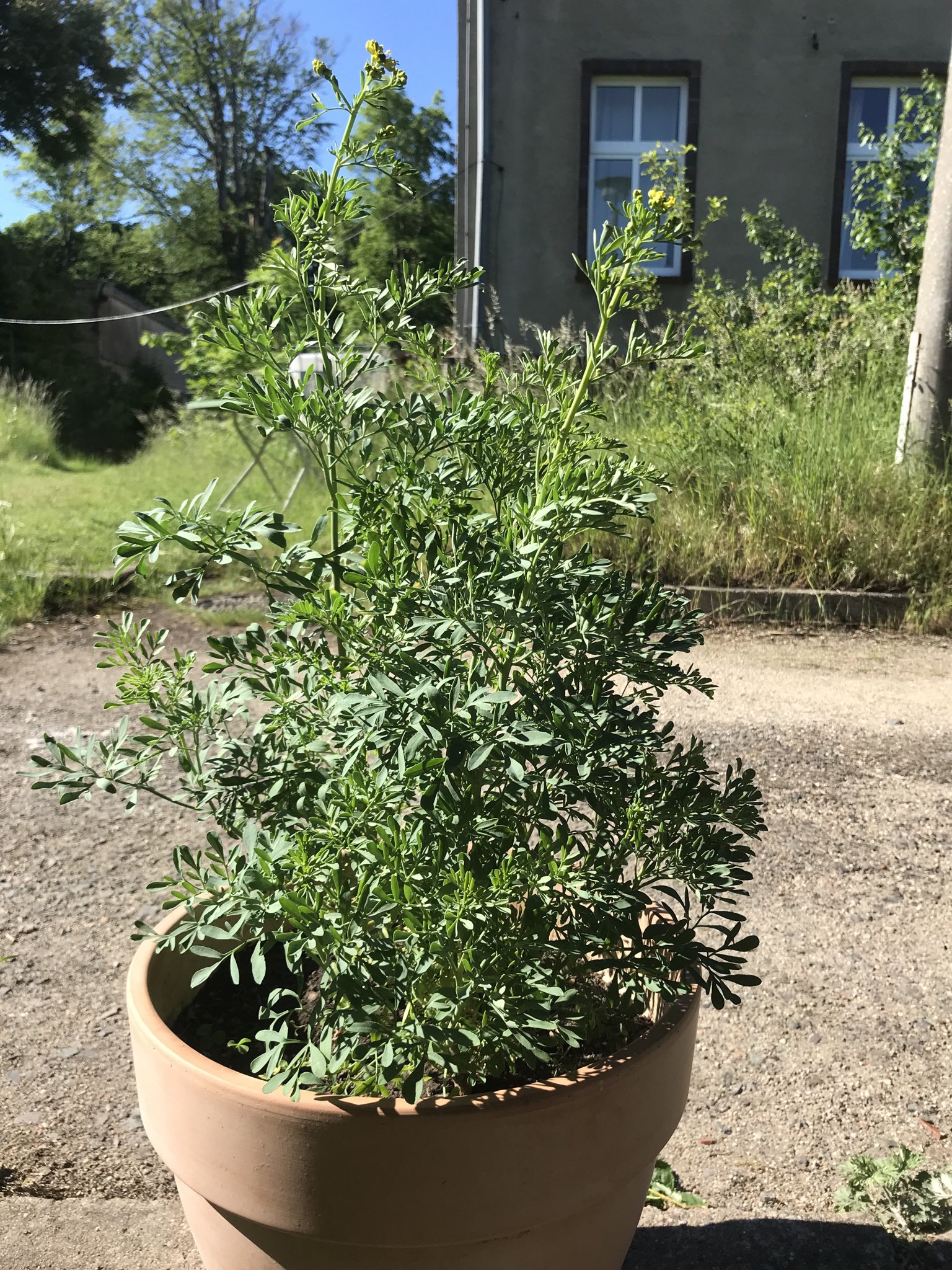
In 2021 the space was officially opened and declared in public. Since then the collective structure undertook a lot of structural changes and founded a new start with the 4th Generation. To mark this, “Arruda” (Weinraute) was formed and is thriving ever since.
Co-Living
Co-living and co-healing together on daily struggles
We are looking for people to live here and we will prioritize : BIPoC- FLINTA and Black Queer cis men. Kids are welcome.
There is two living spaces that are organize separately and each living have their own structure but connect among each other by sharing responsibility of care for the common space and daily tasks. We organize the daily needs together in a regular monthly meeting.
Our expectations :
We wish an openness for community based living and a basic common understanding about intersectional topics.It is also important for us, that the common goods are treated with care and like to have the spaces cute and clean.
We wish you to bring some balance in autonomy and collective responsibility. The living group is connected to the project, but it is no longer required to be part of the Arruda-Team, when you live here.
But we request all inhabitants to join the Arruda support network and to take part in the shared life and responsibilities of the place.
If you are interested in joining our collective living at Arruda, please write to us via the form or at our email address.